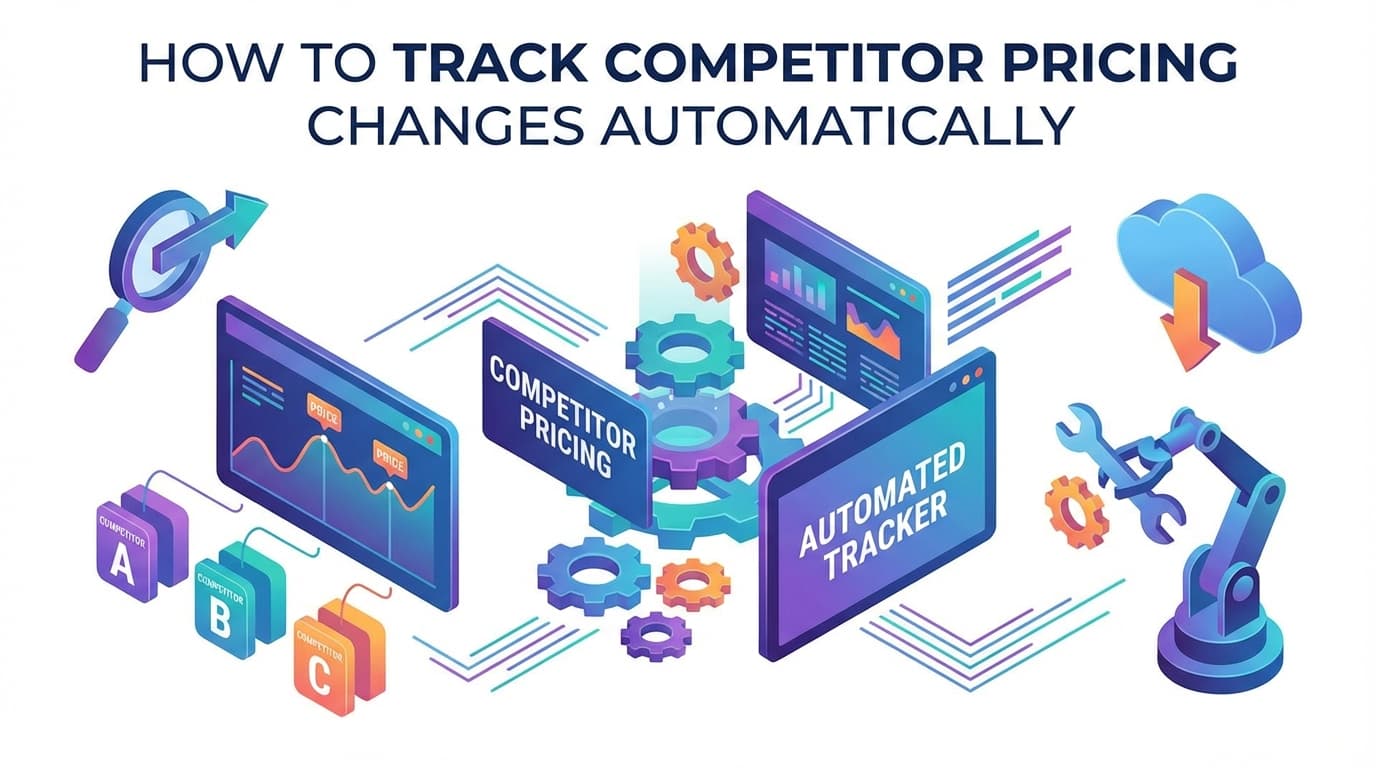
Why Monitoring Competitor Websites Matters for E-commerce Success
SiteChangeTracker Team
Website Monitoring Experts

The Competitive E-commerce Landscape
The e-commerce industry has never been more competitive. With thousands of online stores vying for customer attention, understanding what your competitors are doing has become essential for survival and growth. Yet, many businesses still rely on manual methods to track competitor activities—a time-consuming and often ineffective approach.
Competitor website monitoring involves systematically tracking changes on rival websites, including pricing updates, new product launches, promotional campaigns, and content modifications. This intelligence allows you to make informed decisions and respond quickly to market shifts.
Why Manual Monitoring Falls Short
Traditional competitor analysis typically involves periodically visiting competitor websites, taking screenshots, and manually comparing prices. This approach has several critical limitations:
Time constraints: Manually checking multiple competitor websites daily or weekly consumes valuable hours that could be spent on strategic activities. For businesses monitoring dozens of competitors, this becomes practically impossible.
Missed opportunities: By the time you manually discover a competitor's price drop or new promotion, days may have passed. In e-commerce, where customers compare prices instantly, this delay can cost you significant sales.
Inconsistent tracking: Human monitoring is prone to oversight. Important changes like subtle pricing adjustments or new product additions often go unnoticed until they impact your bottom line.
No historical data: Without systematic tracking, you lack the historical context needed to identify patterns in competitor behaviour and predict future moves.

Key Benefits of Automated Competitor Monitoring
1. Real-Time Price Intelligence
Price is one of the most critical factors in e-commerce purchasing decisions. Studies show that over 80% of online shoppers compare prices before making a purchase. Automated monitoring ensures you know immediately when competitors adjust their pricing.
With real-time alerts, you can:
- Match or beat competitor prices before losing customers
- Identify pricing patterns and optimal price points
- Detect flash sales and promotional periods
- Understand your true market position
2. Product Assortment Insights
Monitoring competitor product pages reveals valuable intelligence about their inventory strategy. You can track when competitors add new products, discontinue items, or experience stock-outs.
This information helps you:
- Identify gaps in your own product offering
- Spot trending products early
- Anticipate seasonal inventory changes
- Understand competitor supplier relationships
3. Marketing Campaign Awareness
Competitor landing pages and homepage changes often signal new marketing campaigns. By monitoring these changes, you gain insight into their promotional strategies, messaging approaches, and target audiences.
4. Content and SEO Strategy
Tracking competitor content changes helps you understand their SEO strategy. You can monitor new blog posts, category page updates, and meta description changes to inform your own content marketing efforts.
Implementing Effective Competitor Monitoring
Define Your Monitoring Scope
Start by identifying which competitors matter most to your business. Focus on:
- Direct competitors selling similar products
- Market leaders setting industry standards
- Emerging competitors showing rapid growth
- Regional competitors in your target markets
Determine What to Track
Not all website changes are equally important. Prioritise monitoring:
- Product pricing and availability
- Homepage and landing page content
- Promotional banners and sale announcements
- New product launches and category changes
- Terms of service and policy updates
Set Up Intelligent Alerts
Configure your monitoring to alert you only about meaningful changes. This prevents alert fatigue whilst ensuring you never miss critical updates. Consider setting different alert thresholds for various types of changes.
The ROI of Competitor Monitoring
Businesses that implement systematic competitor monitoring report significant improvements in their competitive position:
- 15% average increase in conversion rates through optimised pricing
- Reduced time spent on manual research by up to 10 hours per week
- Faster response times to market changes—from days to minutes
- Better strategic decisions based on data rather than assumptions
Getting Started
The most effective approach to competitor monitoring combines automated tools with strategic analysis. Modern website monitoring solutions can track unlimited competitors, detect changes in real-time, and provide historical data for trend analysis.
Rather than spending hours manually checking competitor websites, consider how automated monitoring could transform your competitive intelligence capabilities.
Take Action Today
Understanding your competitive landscape is no longer optional in e-commerce—it's essential for survival. The businesses that thrive are those that stay informed and respond quickly to market changes.
Whether you're tracking three competitors or thirty, automated website monitoring provides the intelligence you need to make better decisions faster. Start by identifying your key competitors and determining which changes matter most to your business, then implement a systematic approach to tracking them.

Ready to Monitor Your Competitors?
Start tracking competitor websites today with SiteChangeTracker. Get instant alerts when prices change, features launch, or content updates—all automatically.
No credit card required • Cancel anytime